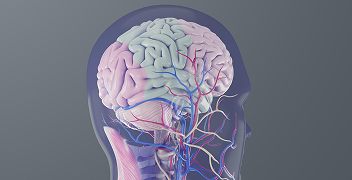
Understanding OCD (Obsessive Compulsive Spectrum Disorders)

People struggling with obsessive-compulsive disorder and similar conditions often experience constant intrusive thoughts and repetitive behaviors that disrupt daily routines and personal relationships. Obsessions are persistent, distressing thoughts, while compulsions are actions or mental routines performed to ease anxiety. These cycles can escalate without proper intervention.
Because the symptoms of OCD can intensify over time, it is important to seek professional care along with family support. FPSCA provides a structured and understanding treatment environment for children, adolescents, adults, and older adults. Our clinicians offer evidence-based therapies to help reduce symptoms, manage compulsions, and promote a healthier and more balanced life.
Common OCD Themes
While OCD shares characteristics with both generalized anxiety disorder and social anxiety disorder, it is defined by particular themes that set it apart. Each individual’s symptoms can vary significantly, and creating a successful OCD treatment plan depends on a personalized approach that uses proven, research-supported strategies to target the unique aspects of their condition.
Contamination OCD – Marked by a persistent fear of germs, disease, or toxic substances, often leading to excessive cleaning, repeated handwashing, or avoiding places and objects perceived as unsafe. These behaviors are attempts to manage anxiety and prevent perceived contamination.
Symmetry and Ordering OCD – Defined by a compelling need for perfection and balance, prompting individuals to arrange, align, or count objects repeatedly until they feel ‘just right’ and experience temporary relief from anxiety.
Checking OCD – Characterized by repetitive verification of tasks, such as confirming that doors are locked, appliances are switched off, or chores are completed, in an effort to avoid mistakes or prevent harm.
Intrusive Thoughts OCD – Individuals may have frequent, unwanted thoughts that are distressing and difficult to ignore. These thoughts often involve violent, sexual, or religious themes and create significant emotional discomfort even though there is no desire to act on them.
Harm OCD – Focuses on fears about causing injury or harm to oneself or others. This can lead to avoidance behaviors, constant mental checking, or other strategies to prevent feared outcomes and reduce anxiety.
Hoarding OCD – Involves extreme difficulty discarding or parting with possessions due to worries about losing something important or the need to maintain control. This results in accumulation of items and often creates clutter that disrupts daily living and causes stress.
Symptoms of OCD
Regardless of whether OCD is mild, severe, or affects multiple themes, there are several symptoms that often indicate the condition:
Persistent and intrusive thoughts that cause worry, distress, or difficulty concentrating
Repeated behaviors or mental routines aimed at reducing feelings of anxiety or discomfort
Strong avoidance of certain people, places, or activities to prevent triggering obsessive thoughts
Frequent doubt and the need to seek reassurance from oneself or others
Devoting a significant amount of time each day to managing obsessive thoughts or completing compulsive behaviors
Decreased quality of life due to emotional strain, fatigue, or problems maintaining focus and daily routines
How We Treat Obsessive Compulsive Disorder (OCD)

Why Choose FPSCA in Ventura?
In Southern California, families turn to FPSCA’s OCD specialists for trusted guidance and effective treatment options tailored to each individual’s needs.
At FPSCA, we conduct detailed psychological assessments following American Psychiatric Association (APA) guidelines. By analyzing your symptoms and medical history in depth, we provide a precise and well-supported diagnosis that guides the next steps in treatment.
Effective Treatments
Our OCD and anxiety treatment options include individual IOPs, family therapy, and medication management. Every approach is backed by rigorous research, clinical trials, and extensive professional experience to ensure that care is effective and tailored to each patient’s needs.
Personalized Care
Treatment plans are specifically tailored to your unique circumstances. We consider your diagnosis, medical background, and personal goals to design strategies that are realistic, targeted, and beneficial for long-term improvement.
Compassionate Approach
We understand that living with OCD can be challenging and that it is a mental health disorder rather than a personal flaw. Our team works with you to develop practical strategies to manage symptoms while providing a supportive, nonjudgmental environment.
Flexible Services
Therapy is available both in-person and online through telehealth sessions. This ensures that you can maintain consistent care without disrupting your daily life, making it easier to stay engaged in treatment.
Family & Social Support
We actively involve family members and encourage broader social support. Strengthening these connections helps promote recovery, builds resilience, and enhances the overall effectiveness of treatment.
Service Areas
Family Psychological Services serves clients across Agoura Hills, Ventura, and the neighboring areas, offering both local access and expert care. Alongside our in-office appointments, we provide convenient telehealth and telemedicine options, so that distance is never a barrier to receiving treatment. No matter your location, our team is prepared to offer comprehensive behavioral health services tailored to your needs, available both in person and online.

Agoura Hills

Westlake Village

Calabasas

Thousand Oaks

Simi Valley

Encino

Camarillo

Malibu

Ventura

Santa Barbara

Santa Paula

Northridge

West Hills

Santa Clarita

Los Angeles

Glendale

Burbank

Pasadena

Chatsworth

Tarzana

Studio City

Canoga Park

Moorpark

Newbury Park

Port Hueneme

Ojai


Woodland Hills
Get Started Today!
Effective OCD treatment often includes multiple layers of therapy, coping techniques, and medication management, which is why professional psychological care is so important. Our clinicians are trained in the latest evidence-supported methods and deliver treatment with empathy and understanding. Reach out today to discover how personalized support can help you address repetitive thoughts, lessen compulsions, and achieve a higher quality of life.