
The Benefits of Using TMS for Early PTSD Treatment for Long-Term Recovery

Post-Traumatic Stress Disorder (PTSD) is a complex mental health condition that can develop after experiencing or witnessing traumatic events, ranging from serious accidents and natural disasters to personal assaults and prolonged stress. The effects of PTSD can extend far beyond immediate trauma, impacting emotional well-being, physical health, relationships, and professional life.
Early intervention is critical for improving outcomes and supporting long-term recovery. Addressing symptoms as soon as they appear helps prevent chronic complications and allows individuals to regain control over their mental and emotional health. One of the most promising tools in modern PTSD treatment is Transcranial Magnetic Stimulation (TMS). This innovative, non-invasive therapy targets brain circuits that regulate mood and stress responses, offering an effective option for those struggling with persistent or severe PTSD symptoms.
For individuals seeking professional PTSD care, Family Psychological Services, Inc. offers comprehensive, evidence-based treatment plans. Their approach combines TMS, psychotherapy, and medication management to provide personalized care aimed at early intervention and long-term recovery.
Understanding PTSD and Its Long-Term Impacts
PTSD is a trauma-focused anxiety disorder that manifests in a variety of forms. Recognizing the type of PTSD is important for determining the best course of treatment:
- Acute PTSD: Symptoms develop shortly after a traumatic event and may appear within days or weeks. With early intervention, many patients can achieve significant symptom reduction.
- Chronic PTSD: Symptoms persist beyond three months and often interfere with daily life, causing disruptions in sleep, work, and social relationships.
- Complex PTSD (C-PTSD): Results from prolonged or repeated trauma, such as ongoing abuse or exposure to high-stress environments. In addition to typical PTSD symptoms, C-PTSD often involves difficulty regulating emotions, low self-esteem, and relational challenges.
Common symptoms of PTSD include:
- Intrusive thoughts or flashbacks related to the traumatic event
- Nightmares or distressing dreams
- Heightened startle response or feeling constantly “on edge”
- Avoidance of people, places, or activities that trigger memories
- Persistent negative emotions, such as guilt, shame, or anger
- Difficulty concentrating or maintaining focus
- Emotional numbness or withdrawal from social interactions
When left untreated, PTSD can have profound consequences. Individuals may struggle with interpersonal relationships, experience reduced academic or work performance, or develop comorbid conditions such as anxiety, depression, or substance use disorders. Early and effective intervention is essential to prevent long-term complications. Family Psychological Services, Inc. provides specialized care designed to address these symptoms promptly and comprehensively.
Why Early Treatment Matters for PTSD
Research consistently shows that early intervention improves recovery outcomes and reduces the risk of chronic PTSD. There are several reasons why addressing PTSD promptly is crucial:
- Preventing Symptom Escalation: Early care helps reduce the severity of intrusive thoughts, flashbacks, and hypervigilance before they become entrenched.
- Supporting Emotional Regulation: Individuals gain coping skills to manage stress, anxiety, and negative emotions more effectively.
- Promoting Overall Recovery: Early treatment enhances resilience and reduces the likelihood of secondary mental health complications.
- Improving Quality of Life: Prompt care can prevent social isolation, maintain work performance, and support healthy relationships.
Evidence indicates that combining early intervention with innovative therapies such as TMS results in faster improvement and more sustained recovery.
What is TMS and How It Works
Transcranial Magnetic Stimulation (TMS) is a non-invasive therapy that uses magnetic pulses to stimulate targeted areas of the brain. Specifically, it focuses on regions involved in mood regulation and the stress response, helping recalibrate neural circuits affected by trauma.
How TMS Benefits the Brain:
- Stimulates Neural Pathways: Encourages neuroplasticity, which allows the brain to form new, healthy connections.
- Targets Mood-Regulation Circuits: Helps correct imbalances in brain activity that contribute to anxiety, hypervigilance, and emotional dysregulation.
- Non-Invasive and Safe: Unlike medications, TMS does not involve systemic side effects or risk of dependency.
TMS is particularly effective for individuals who have not fully responded to psychotherapy or medication alone, offering a complementary approach that enhances overall treatment outcomes.
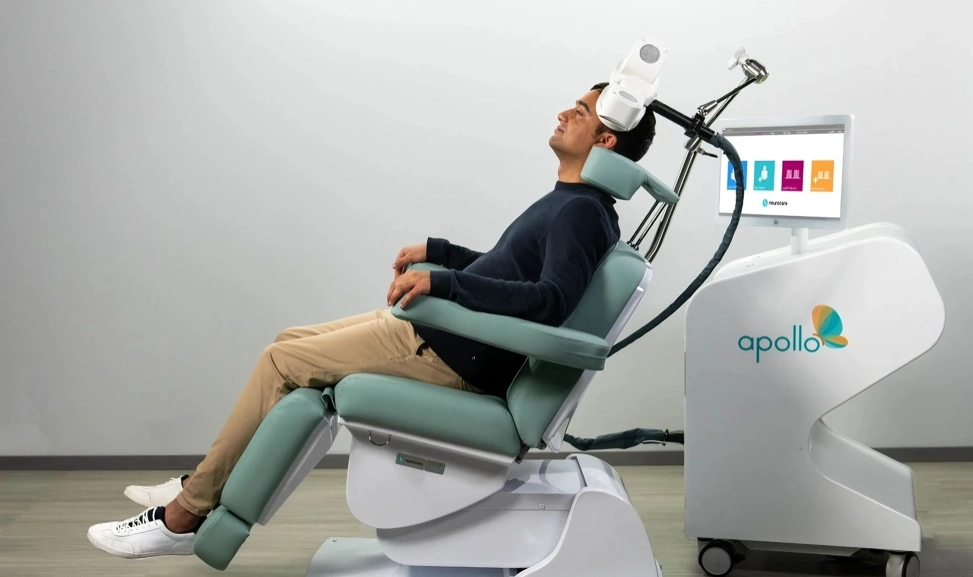
Benefits of Using TMS for Early PTSD Treatment
Early application of TMS can deliver significant benefits:
- Targeted Symptom Relief: TMS helps reduce intrusive thoughts, flashbacks, and anxiety, allowing patients to engage more fully in daily activities.
- Non-Invasive and Drug-Free: Avoids side effects commonly associated with pharmacological interventions.
- Supports Long-Term Recovery: By promoting neuroplasticity, TMS strengthens the brain’s resilience, supporting sustained emotional regulation.
- Rapid and Measurable Results: Many patients notice symptom improvement within weeks, making it a proactive choice for early intervention.
- Enhances Psychotherapy and Medication: Patients often experience greater gains when TMS is combined with cognitive-behavioral therapies and medication management.
By integrating TMS into early PTSD treatment, patients receive a comprehensive approach that addresses both symptoms and underlying brain function.
Integrating TMS with Other PTSD Treatments
While TMS is highly effective on its own, its benefits are maximized when combined with traditional evidence-based treatments:
- Psychotherapy: Techniques like Cognitive Behavioral Therapy (CBT), Cognitive Processing Therapy (CPT), and Narrative Exposure Therapy (NET) help patients process trauma, challenge negative thought patterns, and develop coping strategies.
- Medication Management: Tailored prescriptions can help stabilize mood, reduce anxiety, and complement TMS therapy for faster improvement.
- Personalized Treatment Plans: At Family Psychological Services in California, each patient receives a customized plan based on trauma history, symptom severity, and recovery goals.
This integrative approach ensures patients have the best chance of long-term recovery and improved quality of life.
Real-Life Outcomes and Patient Experiences
Clinical evidence and patient reports show the impact of early TMS treatment:
- Reduced intensity and frequency of flashbacks and intrusive memories
- Improved emotional regulation and reduced anxiety
- Better sleep quality and increased energy levels
- Enhanced engagement in work, social activities, and personal relationships
For example, patients treated at Family Psychological Services, Inc. report noticeable improvements within the first few weeks, particularly when TMS is combined with psychotherapy and medication. Long-term follow-ups demonstrate sustained symptom relief and greater resilience in daily life.
Why Choose Family Psychological Services in California for TMS and PTSD Treatment
Patients seeking expert care can benefit from Family Psychological Services, Inc. because they provide:
- Licensed Professionals: Experienced clinicians specializing in PTSD care and brain-based therapies.
- Comprehensive, Evidence-Based Treatments: Including TMS, psychotherapy, medication management, and supportive therapies.
- Customized Recovery Plans: Treatment tailored to individual trauma history, mental health needs, and recovery objectives.
- Flexible Care Options: Telehealth and in-person services make treatment accessible regardless of schedule or location.
With a focus on early intervention, evidence-based care, and long-term recovery, Family Psychological Services in California helps patients regain control and resilience after trauma.
Early intervention is crucial for long-term recovery from PTSD, and Transcranial Magnetic Stimulation (TMS) offers a safe, non-invasive, evidence-based approach that targets the brain’s mood-regulating circuits to help patients regain control of their lives. Family Psychological Services, Inc. provides professional PTSD treatment combining TMS, psychotherapy, and medication management, delivering personalized care focused on early intervention and sustained recovery.
Frequently Asked Questions
What is TMS, and how is it different from other PTSD treatments?
TMS stimulates specific brain regions to regulate mood and stress responses. Unlike traditional talk therapy or medications, it directly targets neural circuits involved in PTSD symptoms.
How soon can I expect to see results from TMS?
Many patients report improvements within 2–4 weeks of consistent sessions. The full benefit typically appears after completing the recommended treatment plan.
Is TMS safe for everyone with PTSD?
TMS is generally safe, but a thorough evaluation by a licensed clinician ensures it is appropriate for each patient.
Does TMS replace medication or therapy?
No. TMS is most effective when used alongside psychotherapy and medication management.
How long does a TMS session last, and how many sessions are needed?
Sessions usually last 20–40 minutes, with 20–30 sessions recommended for optimal results, depending on symptom severity.
Can TMS help with treatment-resistant PTSD?
Yes. TMS is particularly beneficial for patients who have not responded to standard therapies, offering a new pathway to recovery.
Is TMS covered by insurance?
Coverage varies by provider and plan. Family Psychological Services, Inc. can help patients understand their insurance options and plan their finances for treatment.
How can I get started with TMS at Family Psychological Services in California?
Schedule a consultation online or contact their office directly. A licensed clinician will evaluate your symptoms and create a personalized TMS treatment plan.
Related

Managing Bipolar Disorder: TMS Therapy, Medication, and Lifestyle Strategies
Bipolar disorder is a complex mental health condition that affects mood, energy...

When to Seek Help: Anxiety vs. Normal Worry
Everyone experiences worry from time to time. Concerns about work, finances, family...

Understanding Depression: Signs, Symptoms, and When to See a Psychologist
Depression is one of the most common mental health conditions worldwide, yet many...