
Managing Bipolar Disorder: TMS Therapy, Medication, and Lifestyle Strategies

Bipolar disorder is a complex mental health condition that affects mood, energy levels, and daily functioning. Managing it effectively requires more than a single solution. Most individuals benefit from a combination of treatments that address both the biological and behavioral aspects of the condition.
Today, advancements in mental health care have made it possible to manage symptoms more effectively through approaches like Transcranial Magnetic Stimulation (TMS), medication, and practical lifestyle strategies. With the right support and a personalized plan, long-term stability is achievable. For those exploring professional care options, Family Psychological Services, Inc. offers access to evidence-based treatment and ongoing support.
Understanding Bipolar Disorder and Its Impact
Bipolar disorder is characterized by alternating episodes of elevated mood (mania or hypomania) and depression. These shifts can vary in intensity and duration, often disrupting daily life.
Common Types of Bipolar Disorder
- Bipolar I Disorder: Defined by severe manic episodes that may require hospitalization
- Bipolar II Disorder: Involves hypomania and more prolonged depressive episodes
- Cyclothymic Disorder: Chronic mood fluctuations that are less severe but persistent
How Symptoms Affect Daily Life
- Difficulty maintaining relationships
- Challenges at work or school
- Impulsive decision-making during manic episodes
- Fatigue, low motivation, and hopelessness during depressive phases
Early diagnosis and consistent care are critical to minimizing these disruptions and improving quality of life.
Why a Comprehensive Approach to Managing Bipolar Disorder Matters
Relying on a single form of treatment often leads to incomplete symptom control. Bipolar disorder affects brain chemistry, behavior, and lifestyle habits, which is why a multi-layered approach is more effective.
Benefits of a Combined Treatment Plan
- Improved mood stability
- Reduced frequency and severity of episodes
- Better long-term outcomes
- Greater ability to function in daily life
A personalized plan that integrates medical treatment, therapy, and lifestyle adjustments offers the best chance for sustainable progress.
TMS Therapy for Bipolar Disorder Management
What Is TMS Therapy?
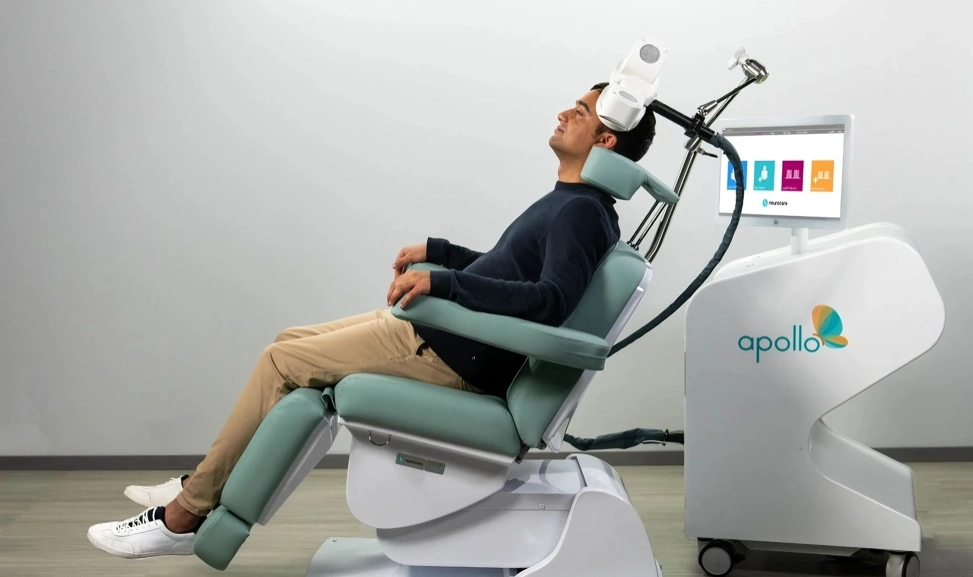
Transcranial Magnetic Stimulation (TMS) is a non-invasive treatment that uses magnetic pulses to stimulate specific areas of the brain involved in mood regulation. It does not require anesthesia and is typically performed in an outpatient setting.
Benefits of TMS for Bipolar Depression
- Drug-free alternative for those who cannot tolerate medications
- Minimal side effects compared to traditional treatments
- Effective for treatment-resistant depression
- Helps regulate brain activity linked to mood disorders
Who Can Benefit from TMS Therapy?
- Individuals who have not responded well to medication
- Patients experiencing persistent depressive episodes
- Those seeking a complementary therapy alongside medication
TMS is particularly valuable for managing the depressive phase of bipolar disorder, which can often be the most difficult to treat.
Medication Options for Bipolar Disorder
Medication remains a cornerstone of bipolar disorder treatment. It helps stabilize mood and prevent extreme highs and lows.
Common Medications Used
- Mood stabilizers: Help control manic and depressive episodes
- Antidepressants: Used cautiously to manage depressive symptoms
- Atypical antipsychotics: Address severe mood symptoms and psychosis
Benefits and Considerations
- Reduces the intensity and frequency of mood swings
- Supports long-term stability
- Requires careful monitoring for side effects
- May need adjustments over time
Importance of Professional Medication Management
Medication for bipolar disorder is not one-size-fits-all. It requires ongoing evaluation and adjustments based on individual response.
Working with experienced providers through structured programs like Family Psychological Services, Inc. ensures:
- Accurate diagnosis
- Safe medication selection
- Regular follow-ups and monitoring
- Personalized treatment planning
Lifestyle Strategies to Support Bipolar Disorder Management
Lifestyle habits play a significant role in stabilizing mood and preventing relapse. While they are not a replacement for medical treatment, they are essential for long-term success.
Maintaining a Consistent Routine
- Go to bed and wake up at the same time each day
- Establish structured daily activities
- Avoid irregular sleep patterns
Nutrition and Physical Activity
- Eat balanced meals to support brain health
- Limit caffeine and alcohol intake
- Engage in regular exercise to boost mood and energy
Stress Reduction Techniques
- Practice mindfulness or meditation
- Use breathing exercises to manage anxiety
- Identify and avoid known triggers
Building a Support System
- Stay connected with family and friends
- Participate in therapy or support groups
- Communicate openly about symptoms and needs
Consistency in these areas can significantly improve emotional regulation and overall well-being.
Integrating Therapy with TMS, Medication, and Lifestyle Changes
Psychotherapy is a critical component of managing bipolar disorder. It helps individuals understand their condition and develop coping strategies.
Common Therapeutic Approaches
- Cognitive Behavioral Therapy (CBT): Identifies and changes negative thought patterns
- Interpersonal Therapy: Focuses on relationships and communication
- Psychoeducation: Teaches individuals how to recognize early warning signs
Benefits of Integrated Care
- Enhances the effectiveness of medication and TMS
- Improves emotional resilience
- Supports long-term relapse prevention
Combining therapy with medical and lifestyle interventions creates a well-rounded treatment plan.
When to Seek Professional Help for Bipolar Disorder
Recognizing when to seek help is essential for preventing symptoms from worsening.
Signs You May Need Professional Support
- Frequent or intense mood swings
- Difficulty functioning in daily life
- Risky or impulsive behavior
- Persistent feelings of sadness or hopelessness
- Thoughts of self-harm or suicide
Early intervention can make a significant difference in outcomes. Accessing care through Family Psychological Services, Inc. ensures individuals receive comprehensive and compassionate support.
Long-Term Outlook: Living Well with Bipolar Disorder
While bipolar disorder is a lifelong condition, many individuals lead stable and fulfilling lives with proper management.
Keys to Long-Term Stability
- Adhering to treatment plans
- Attending regular medical and therapy appointments
- Monitoring symptoms and triggers
- Maintaining healthy routines
Progress may take time, but consistent effort and the right support system can lead to meaningful improvements in quality of life.
Managing bipolar disorder involves TMS therapy, medication, lifestyle strategies, and therapy to stabilize mood and improve daily functioning. Professional guidance helps individuals regain control and maintain long-term balance. Family Psychological Services, Inc. provides evidence-based treatment and support for managing bipolar disorder.
Frequently Asked Questions
What is the most effective treatment for bipolar disorder?
The most effective approach typically combines medication, therapy, and lifestyle changes. Each component addresses different aspects of the condition, leading to better overall outcomes.
Is TMS therapy safe for bipolar disorder?
TMS therapy is generally considered safe, especially for treating bipolar depression. It is non-invasive and has fewer side effects compared to many medications, though it should always be administered under professional supervision.
Can bipolar disorder be managed without medication?
In most cases, medication is a key part of treatment. While lifestyle strategies and therapy are important, managing bipolar disorder without medication can increase the risk of relapse or severe episodes.
How long does it take to stabilize bipolar disorder?
Stabilization varies from person to person. Some individuals see improvement within weeks, while others may require months of adjustments to find the right treatment combination.
What lifestyle changes help manage bipolar disorder?
Helpful changes include:
- Maintaining a consistent sleep schedule
- Eating a balanced diet
- Exercising regularly
- Reducing stress
- Avoiding alcohol and substance use
When should someone seek professional treatment?
Professional help should be sought when symptoms interfere with daily life, become severe, or include thoughts of self-harm. Early treatment improves long-term outcomes.
Related

The Benefits of Using TMS for Early PTSD Treatment for Long-Term Recovery
Post-Traumatic Stress Disorder (PTSD) is a complex mental health condition that can...

When to Seek Help: Anxiety vs. Normal Worry
Everyone experiences worry from time to time. Concerns about work, finances, family...

Understanding Depression: Signs, Symptoms, and When to See a Psychologist
Depression is one of the most common mental health conditions worldwide, yet many...